
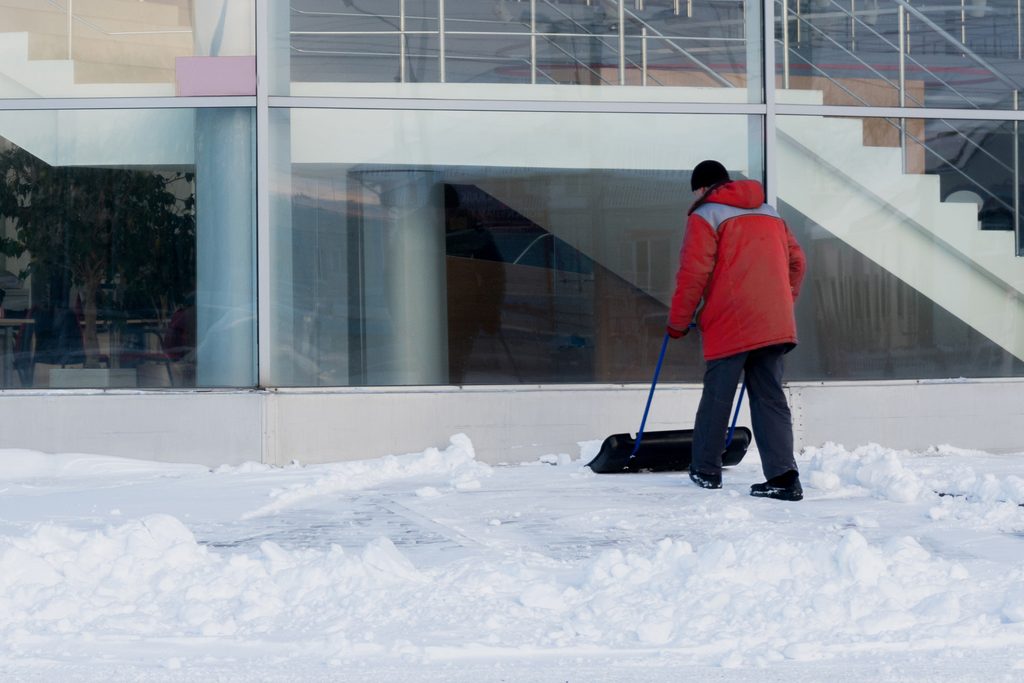
Snow and ice events in Northern Virginia, Maryland and Washington, D.C., can be difficult to predict. Some winters bring only a few minor storms, while others include repeated freezing conditions, heavy snowfall or rapid temperature changes that create refreeze concerns.
Regardless of the forecast, commercial properties need to be prepared before the first storm arrives. Early planning helps protect access to the property, improves coordination during winter weather and gives snow crews the information they need to respond efficiently.
Here are the steps property managers, facility managers and HOA boards should take before snow and ice season begins.
Review Your Property’s Priority Areas
Every property has areas that must remain accessible during winter weather. Identifying these locations in advance helps the snow management team prioritize its response.
Priority areas may include:
- Main entrances and exits
- Emergency access routes
- Fire lanes
- Parking-lot entrances
- Loading areas
- Sidewalks and crosswalks
- Accessible parking spaces and routes
- Building entrances
- Mail and package areas
- Dumpster and service areas
- HOA roads and community entrances
Different areas may require different levels of service. A hospital, senior living community or property operating around the clock may have different priorities than an office building with limited weekend activity.
Discuss these needs before winter so they can be documented in the property’s snow response plan.
Complete a Preseason Site Walkthrough
A walkthrough allows the property manager and snow management team to review site conditions together before curbs, drains and landscape features are covered by snow.
During the walkthrough, identify:
- Curbs and parking-lot islands
- Speed bumps
- Fire hydrants
- Utility equipment
- Drainage structures
- Irrigation components
- Low walls and raised planters
- Site furnishings
- Areas with damaged pavement
- Locations prone to ponding or refreezing
Photographs and site maps can document existing conditions and highlight features that require extra care. This information helps crews navigate the property more efficiently and reduces the likelihood of accidental damage.
Mark Curbs, Islands and Hidden Obstacles
Snow can quickly hide features that are easy to see during dry weather. Before the ground freezes, install reflective stakes or other approved markers around curbs, medians, drains, fire hydrants, landscape beds and obstacles near plowing routes.
Site staking gives equipment operators a clearer picture of the property during low-visibility conditions. It can also help protect turf, irrigation components, signs and hardscape features located near pavement.
Stakes should be inspected throughout the season. Heavy snow, equipment activity or strong winds can move or damage them.
Choose Snow-Storage Locations
Plowed snow needs somewhere to go. If storage areas are not selected beforehand, snow piles may block parking spaces, restrict visibility, cover drains or interfere with pedestrian access.
Snow-storage areas should be chosen with several factors in mind:
- Traffic flow
- Available parking
- Sightlines at entrances
- Emergency access
- Pedestrian movement
- Drainage patterns
- Sensitive trees and shrubs
- Irrigation equipment
- The possibility of future snow events
Avoid placing large piles where melting snow could drain across sidewalks or drive lanes and refreeze. Snow containing deicing material should also be kept away from sensitive turf and plantings when practical.
Properties with limited storage space should establish in advance when off-site snow hauling may be needed.
Inspect Drainage Before Winter
Clogged drains and poor drainage can make winter conditions more difficult to manage. Leaves, sediment and landscape debris may prevent melting snow from leaving the property. Water can then collect in low areas and freeze again when temperatures drop.
Before winter, inspect:
- Storm drains
- Catch basins
- Gutters and downspouts
- Drainage channels
- Low areas in parking lots
- Sidewalk transitions
- Building entrances
Correcting drainage problems before the first storm can reduce standing water and recurring ice. Leaf removal is especially important during late fall because accumulated leaves can block drainage structures just as winter weather begins.
Establish Clear Service Expectations
Snow management plans should clearly define when service begins and what work is included. Property teams should understand:
- The snowfall or ice conditions that trigger service
- Which areas receive priority
- Whether pretreatment is included
- How sidewalks and entrances will be handled
- How deicing materials will be selected and applied
- When snow hauling may be recommended
- Who is responsible for approving additional services
- How updates will be communicated during an event
These expectations should reflect the property’s operating hours, traffic, resident or tenant needs and site-specific risks.
Clear planning helps prevent confusion when weather conditions are changing quickly.
Confirm Communication Procedures
Winter storms rarely follow a perfect schedule. Conditions can change from snow to sleet or freezing rain, and melting snow may refreeze overnight.
Before the season, confirm who will receive weather updates, service notifications and post-storm reports. There should also be a process for reporting site-specific concerns, such as an icy entrance or blocked access route.
Property managers should provide updated contact information and identify a backup decision-maker. For an HOA or condominium community, it may also be helpful to establish how winter service updates will be shared with residents.
Document the Property’s Condition
Preseason documentation provides a useful record of the property before snow operations begin. Take photographs of pavement, curbs, signs, drainage structures, turf edges and other vulnerable areas.
Existing cracks, broken curbs or damaged landscape features should be noted. Documentation helps the property team track changes, identify necessary repairs and distinguish preexisting conditions from possible winter damage.
Records should continue throughout the season. Service reports, weather information and photographs can provide a clearer history of how each event was handled.
Protect Landscaping From Winter Damage
Snow and ice management must support safety and accessibility, but careful planning can also limit unnecessary landscape damage.
Whenever possible:
- Keep snow piles away from sensitive plants
- Avoid pushing snow over newly planted areas
- Mark irrigation components near pavement
- Select deicing materials based on temperature, surface type and site needs
- Monitor areas exposed to repeated salt or runoff
- Plan for spring inspection of turf and plant material
Some winter damage is unavoidable during severe conditions. However, thoughtful snow placement and site marking can help protect landscape investments.
Prepare Before the Forecast Changes
The best time to prepare for snow is before snow appears in the forecast. By October, commercial properties should be reviewing contracts, walking the site, identifying priorities and confirming communication procedures.
Early planning gives property managers and snow professionals time to address potential problems without the pressure of an approaching storm. It also creates a more organized response when winter weather arrives.
Heritage Landscape Services provides commercial snow and ice management for properties throughout Northern Virginia, Maryland and Washington, D.C.
Contact us today to review your property and build a snow and ice management plan before the first winter storm.