
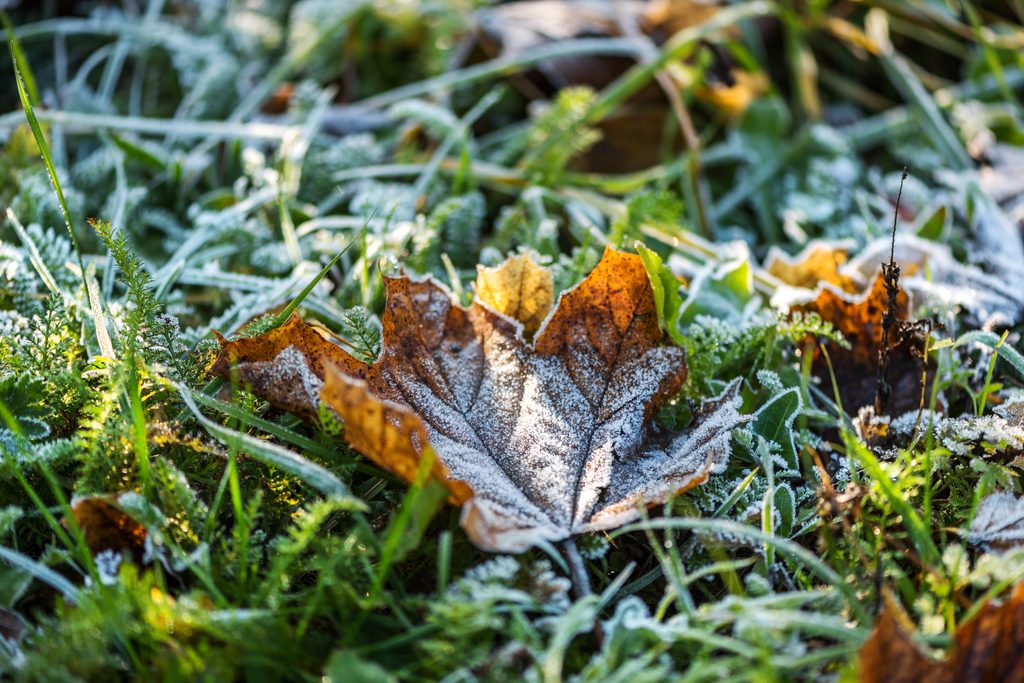
As temperatures drop across Northern Virginia, Maryland and Washington, D.C., grass growth slows and mowing becomes less frequent. But commercial landscapes still need attention.
For property managers and HOA boards, late fall brings a shift in priorities. Leaf cleanup, drainage checks, plant care and winter preparation help keep properties maintained as the growing season winds down.
Here is what continues after mowing slows.
Leaf and Debris Removal
Leaves fall at different times depending on tree species, weather and exposure. One cleanup visit may not address the entire season’s leaf drop.
Thick layers of wet leaves can block sunlight and hold moisture against turf, including areas seeded earlier in the fall. Leaves can also collect along curbs, cover drainage inlets and make walkways slippery when wet.
Ongoing cleanup should focus on:
- Turf and recently seeded areas
- Building entrances and pedestrian routes
- Parking-lot edges and curb lines
- Drainage inlets
- Planting beds where heavy accumulations need removal
Cleanup frequency should reflect actual conditions and the property’s maintenance agreement.
Mowing as Growth Requires
Cool-season grasses, including tall fescue, may continue growing during mild stretches of late fall. Mowing should follow that growth rather than stop on a fixed calendar date.
Your landscape team should monitor turf height and ground conditions to determine when another cut is appropriate. Cutting grass unusually short for winter can stress the turf, while mowing saturated or frozen ground can cause damage.
The goal is to maintain a suitable height as growth gradually slows.
Planting Bed and Shrub Care
Planting beds remain visible even when lawn growth declines. Litter removal, selective weeding and attention to bed edges help maintain a tidy appearance around entrances and common areas.
Trees and shrubs also need monitoring for broken branches, declining plants or growth that obstructs signs and walkways.
Pruning should follow the needs of each plant. Some spring-flowering shrubs already carry next season’s flower buds, so trimming them in late fall can reduce their spring display. A seasonal cleanup should not automatically include cutting back every shrub, perennial or ornamental grass.
Drainage Monitoring
Late-fall rain can reveal standing water, erosion and runoff problems that deserve attention before winter.
Landscape crews can watch for blocked surface inlets, mulch washing onto pavement and low areas that remain wet. Water collecting near pedestrian routes is especially worth documenting because it may freeze when temperatures fall.
Removing surface debris may resolve a blockage. Recurring drainage problems usually need further evaluation to identify the cause.
Plant Moisture Checks
Cooler weather reduces water demand, but trees and shrubs can still experience dry conditions. Recently installed plants deserve particular attention because their roots are still becoming established.
After irrigation winterization, your landscape provider can help determine whether supplemental watering is needed based on rainfall, soil moisture and plant needs. Any watering should occur under suitable conditions, when the soil can absorb it.
Avoid assuming that every plant needs water simply because irrigation is off.
Winter Site Preparation
Late fall is also a time to coordinate landscape care with snow and ice operations.
Tasks may include marking vulnerable landscape edges, identifying designated snow-storage areas and checking that access routes remain clear. These details help crews understand where planting beds, curbs and other features may become difficult to see under snow.
Property teams should also confirm how storm damage, fallen branches or changing site conditions will be reported.
Keep the Maintenance Plan Seasonal
A maintained winter landscape depends on more than mowing. The work shifts toward cleanup, monitoring and preparation, with service timing guided by weather, property conditions and the agreed scope of work.
Heritage Landscape Services helps commercial properties and HOA communities stay maintained throughout the seasonal transition.
Contact us today to discuss late-fall and winter landscape maintenance for your property.