
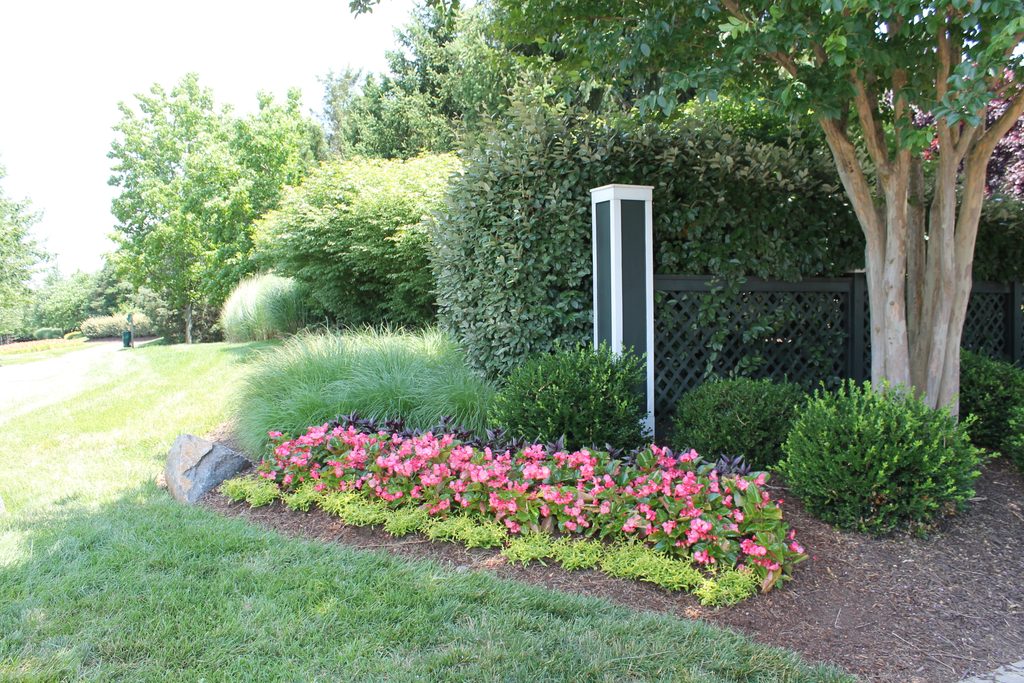
A year-end landscape walkthrough helps property managers turn this year’s observations into a practical plan for next year.
For commercial properties and HOA communities across Northern Virginia, Maryland and Washington, D.C., November is a useful time to review landscape performance. Summer stress, fall maintenance and recurring property concerns are still fresh, making it easier to identify what worked and what needs attention.
Walk the property with your landscape provider and use these areas to guide the discussion.
Review Turf That Struggled This Year
Look for grass that remained thin, developed bare spots or repeatedly declined throughout the growing season.
Document where problems occurred and discuss possible causes, including:
- Heavy foot traffic
- Compacted soil
- Excessive shade
- Poor drainage
- Uneven irrigation coverage
The goal is to understand why an area struggled before budgeting for more seed or sod. A shaded lawn beneath mature trees, for example, may benefit from a different planting approach rather than repeated turf renovation.
Also review areas seeded this fall. Note where establishment should be monitored and where leaves or traffic could interfere with recovery.
Evaluate Trees, Shrubs and Planting Beds
Identify plants that declined, outgrew their space or required repeated attention. Look for missing shrubs, crowded beds and branches that obstruct signs, lighting or pedestrian routes.
Discuss which areas need routine care and which may require replacement or redesign.
Plant selection should reflect the conditions on the property. Soil moisture, sunlight, available growing space and deer pressure can all affect long-term performance in the D.C. metro region.
Flag damaged limbs or other potential tree concerns for professional evaluation. A walkthrough can identify the need for an assessment, but it does not replace one.
Document Drainage and Erosion Problems
Review locations where water collected after storms or runoff carried soil and mulch onto pavement.
Common trouble spots include low areas, downspout outlets, slopes and the edges of sidewalks or parking lots. Fallen leaves can also obscure drainage inlets, making them worth checking during the walkthrough.
If the property is dry during your visit, bring photos from earlier rain events. Record where water accumulated, how long it remained and whether it affected access or plant health.
This information helps your landscape provider evaluate the problem and recommend an appropriate next step.
Assess Entrances and Shared Spaces
Walk the property from the perspective of a resident, tenant or visitor. Start at the main entrance, then follow common routes to buildings, parking areas and outdoor amenities.
Consider:
- Are planting beds attractive and clearly defined?
- Have plants grown into walkways or blocked sightlines?
- Are high-traffic areas showing repeated wear?
- Do entrances need refreshed plants or seasonal color?
- Are there damaged landscape features that need attention?
Prioritize improvements that support both appearance and function. Reworking a worn planting bed beside a busy walkway may solve a recurring maintenance issue while improving the entrance.
Separate Maintenance Needs From Larger Projects
Organize your findings into clear priorities.
Routine work may include pruning, bed cleanup or monitoring recently seeded turf. Larger improvements could include drainage corrections, plant replacements or redesigning an underperforming area.
For each item, identify:
- The problem to address
- The recommended next step
- Its relative urgency
- The appropriate season for the work
- Whether an estimate or further assessment is needed
This gives property managers and HOA boards a more useful budgeting tool than a general wish list. Larger projects can also be phased over several years.
Finish With a Written Plan
Before ending the walkthrough, confirm who will document recommendations, prepare estimates and follow up on unresolved questions.
Review communication as well as landscape conditions. Were recurring concerns addressed? Did recommendations arrive early enough for approval? Are there changes that would make coordination easier next year?
A productive year-end walkthrough should leave your team with clear priorities and a shared understanding of what comes next.
Heritage Landscape Services helps property managers and HOA boards evaluate landscape needs and plan improvements across Northern Virginia, Maryland and Washington, D.C.
Contact us today to schedule a year-end landscape walkthrough and discuss priorities for your property.